Program overview
Context, approach, and how SOVA delivers results alongside communities.
Education continuity protects cognitive development, psychosocial wellbeing, and future livelihood options—especially for girls and out-of-school adolescents facing compounded barriers.
Detailed scope
School-age children in crisis-affected zones contend with fees indirectly through lost livelihoods, long insecure journeys, overcrowded classrooms, and trauma-related dropout risk.
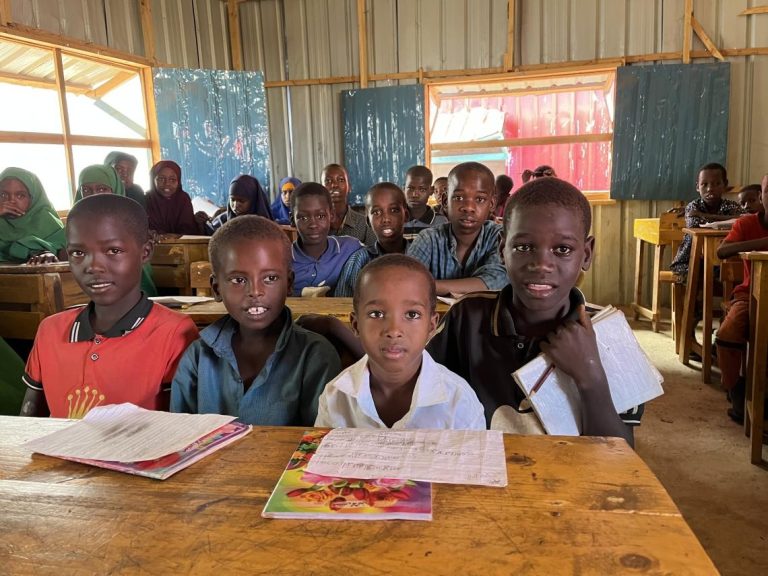
SOVA combines targeted material assistance—books, uniforms where culturally appropriate, hygiene supplies—with community dialogue that tackles attendance choke points.
Non-formal accelerated learning and literacy circles reach adolescents who missed entry grades, pairing foundational skills with life-skills content sensitive to local norms.
During acute emergencies, temporary learning spaces or flexible schedules maintain rhythm until formal structures stabilise; teacher orientation emphasises child safeguarding.
Monitoring distinguishes enrolment gains from sustained attendance so adaptations—timing, transport mitigations, or female chaperoning arrangements—can be introduced pragmatically.
Key interventions
Practical activities SOVA prioritizes within this program—adapted to local assessments and coordinated with relevant clusters and authorities.
- Learning materials and classroom essentials easing household cost barriers.
- Non-formal education tracks for over-age out-of-school children and youth.
- Targeted girls' education outreach with community gatekeepers.
- Emergency-period temporary learning approaches until schools reopen steadily.
- Teacher and facilitator sensitisation on inclusion and safeguarding.
- Collaboration with parent committees for attendance monitoring.