Program overview
Context, approach, and how SOVA delivers results alongside communities.
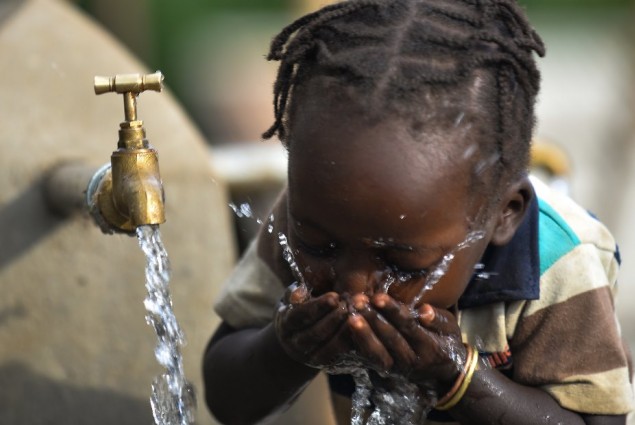
Water, sanitation, and hygiene are central to community health, dignity, and resilience in Somalia—especially where displacement, drought, and weak infrastructure converge.
Detailed scope
Across South-Central Somalia, many households still rely on unsafe water sources, informal storage, and limited sanitation infrastructure. Recurring drought and population movement increase exposure to waterborne illness and reduce privacy and safety, particularly for women and children.
SOVA delivers emergency and transitional WASH responses tailored to settlement patterns—rapid provision where acute gaps exist, combined with practical hygiene promotion so behaviours keep pace with new infrastructure or facilities.
Activities include rehabilitation or protection of water points where feasible, promotion of safe handling and storage at household level, and sanitation approaches adapted to flood-prone or densely settled sites. Community structures help prioritise maintenance and equitable access.
We coordinate with local authorities and clusters where relevant so interventions align with wider assessments, avoid duplication, and strengthen accountability to affected populations.
Key interventions
Practical activities SOVA prioritizes within this program—adapted to local assessments and coordinated with relevant clusters and authorities.
- Urgent water provision and safer storage options during spikes in need.
- Latrine and sanitation improvements aligned with site conditions and privacy.
- Hygiene awareness sessions and demonstration-led practices at household level.
- Hygiene kits and essential materials where markets are disrupted.
- Community feedback channels to adjust targeting and reduce exclusion risks.
- Collaboration with health actors on diarrhoeal disease prevention messaging.