Program overview
Context, approach, and how SOVA delivers results alongside communities.
Protection mainstreaming ensures humanitarian responses do not inadvertently marginalise survivors of violence, separated children, or households facing exploitation.
Detailed scope
Conflict, displacement, and economic collapse amplify gender-based violence risks, child protection concerns, and barriers to legal identity or justice pathways.
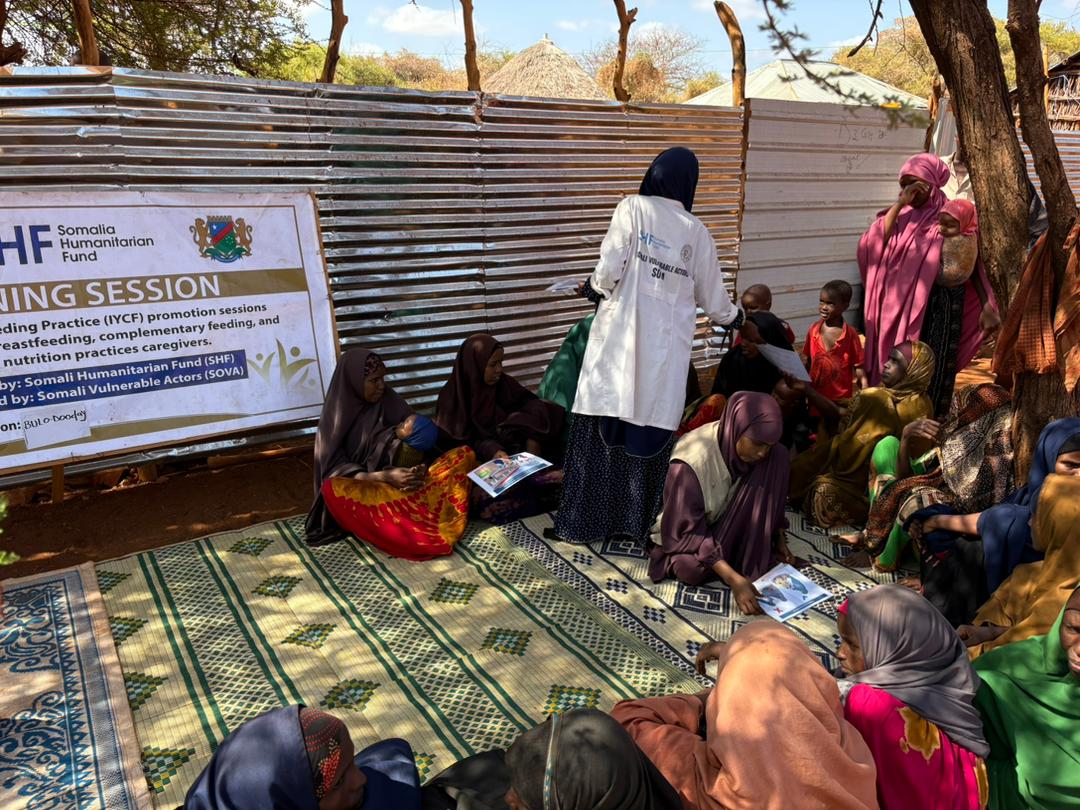
SOVA mobilises community focal points, women's networks, and youth allies to widen reporting routes while preserving survivor-centred principles—confidentiality, choice, and non-discrimination.
Structured awareness tackles stigma around seeking help; simplified referral maps bridge survivors toward specialised actors without over-promising unavailable services.
Psychosocial support complements—but does not replace—clinical mental health; group discussions stabilise collective stress when culturally appropriate.
Advocacy engagements elevate systemic gaps—documentation hurdles, inconsistent referral SLAs—while respecting partner mandates and national frameworks.
Key interventions
Practical activities SOVA prioritizes within this program—adapted to local assessments and coordinated with relevant clusters and authorities.
- Community sensitisation on rights, reporting channels, and available assistance.
- Psychosocial support groups respecting gender separation preferences.
- Identification and referral for separated or unaccompanied children cases.
- Legal orientation clinics bridging toward specialised aid actors.
- Victim-survivor centred protocols across programme interfaces.
- Coordination with protection actors to reduce duplication and harm.